
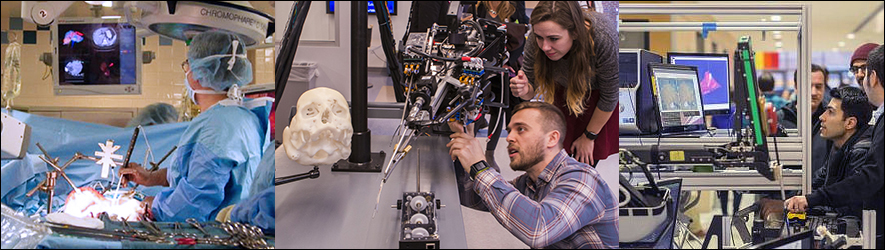
At the Intersection of Healthcare and Engineering
Over the past several decades, laboratory research has accomplished dramatic breakthroughs in biomedical knowledge, but the ability to translate these findings into new clinical capabilities remains the critical bottleneck of medical technology innovation.
After all, what good is the best new treatment if it never makes it to the patient?
At Vanderbilt University, we believe that the fundamental constraints associated with clinical translation can be dramatically improved through training engineers and physicians in the technical skills, clinical understanding, and leadership ability needed to successfully guide novel and impactful technologies into the next generation of clinical platforms for advancing treatment.
Vanderbilt University offers a new graduate engineering program that equips engineers and physicians with the skills and knowledge to create and translate new technologies to serve surgery and interventional medicine.
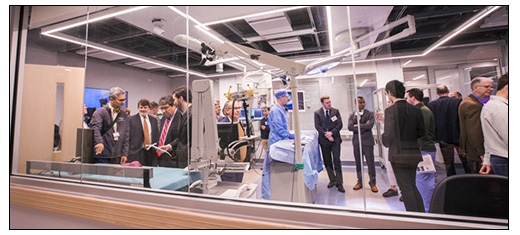
In response to this need, Vanderbilt University School of Engineering, in partnership with the Vanderbilt Institute for Surgery and Engineering (VISE), has launched a Master of Engineering in Surgery and Intervention (ESI) program — a niche, rigorous engineering graduate program that prepares the next generation of engineers to address challenges and envision solutions at the interface of engineering and medicine. The ESI program is built for traditional engineering students alongside MD trainees and MD graduates who are seeking to build clinical translational engineering skills as physician inventors.
The degree is a 30-credit hour program designed to enhance training in the domains of engineering for surgery and intervention with extensive exposure to clinical specialty areas. ESI core skill sets available for training are:
- Surgical robotics, instrumentation, and medical devices
- Surgical/interventional machine learning, data science, and AI
- Interventional imaging, image processing, and image analysis
- Intraprocedural localization, navigation, and guidance
- Intraprocedural visualization and assessment
- Interventional therapeutics, biomaterials, and drug delivery
- Disease & treatment modeling, planning, and simulation
- Therapeutic monitoring and decision support
- Digital health, wearables, and IoMT
To learn more about our Master of Engineering in Surgery and Intervention program, connect with our team today!

Why Vanderbilt?
- Decades of investment in engineering, surgery, and intervention research with world-class faculty
- An intensive and supportive immersion experience with ~20 clinical specialties
- An unparalleled integration of engineering (VUSE/VISE) and clinical (VUMC) resources
- Extensive experience in commercial realizations among cadre
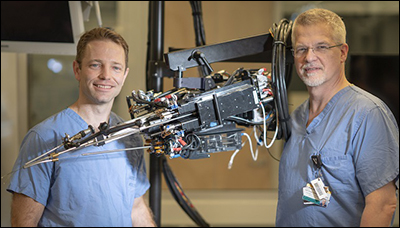 Vanderbilt University’s strong history of and commitment to interdisciplinary work and the close proximity of its Medical and Engineering Schools makes it the ideal institution for advancing the state of the art in this field. In conjunction with VISE, the School of Engineering provides a transformative infrastructure that facilitates interdisciplinary work and creates an environment in which traditional boundaries to clinical innovation are eliminated. In fact, Vanderbilt University is one of the only universities able to offer such a ground-breaking program.
This type of program is highly valued and needed within industry – Vanderbilt University is uniquely qualified to offer it
Current and emeritus members of VISE have been performing trans-institutional work between Vanderbilt University and its Medical Center for almost four decades within the domains of surgery, intervention and engineering. This relationship is unique to Vanderbilt and has been maintained by the passion of the members devoted to this domain.
Over these four decades, this cadre has had the singular vision to see Vanderbilt as world leaders in this unique field. The VISE faculty firmly believe that what we have already accomplished thus far is only a fraction of what is possible, and continued investment into this domain will revolutionize the future of medicine. The focus of VISE and the Master of Engineering in Surgery and Intervention program is exactly to advance these types of technology platforms for the discovery, development, and deployment of new treatment systems, devices, and solutions.
Qualifications
We understand that navigating the graduate school admissions process can seem challenging. To simplify the process ahead, we’ve outlined some of the requirements below.
Applications must be submitted online, with some of the basic application requirements including:
- Online application
- Academic performance in previous degree program(s)
- Resume or CV
- Three letters of recommendation
- A statement of purpose
- TOEFL/IELTS/DET score (for international students)
An admissions committee with representative faculty from the involved departments will evaluate all applications. Admission will be competitive and students will be selected on the basis of their scholastic preparation and intellectual capacity.
Our program reviews applications on a rolling basis starting August 1 each year. Application deadlines are November 15 for Spring semester and May 15 for Fall semester incoming cohorts.
ESI Program Curriculum
Students who pursue this degree commonly hold a bachelor’s degree in a conventional engineering discipline (e.g., mechanical, electrical, or biomedical engineering) or computer science. However, the program is also adaptable to other STEM areas as well (e.g., neuroscience, physics, mathematics, etc.). If you have questions, be sure to send inquiries to vuse.esi@vanderbilt.edu.
With regard to program structure, the Master of Engineering in Surgery and Intervention has three tracks: the innovator track, the inventor track, and the visionary track. Each track is 30 credit hours and consists of core course work and electives — learn more about these three tracks below:
Since the program's inception, our alumni have 100% placement rate in the Surgical and Interventional domain space within one year of graduation.
-
27%
Industry R&D & Product Engineering
-
18%
Management & Consulting
-
18%
Startup & Entrepreneurship
-
27%
Academic or Nonprofit Research
-
10%
Strategic Development & Venture Capital Investment
Engineering in Surgery and Intervention Faculty
Throughout the ESI program, students work closely with Vanderbilt faculty to build solutions to key real-world clinical and engineering problems facing modern surgery and intervention.
-
Justin Baba
Adjoint Associate Professor of Biomedical Engineering
-
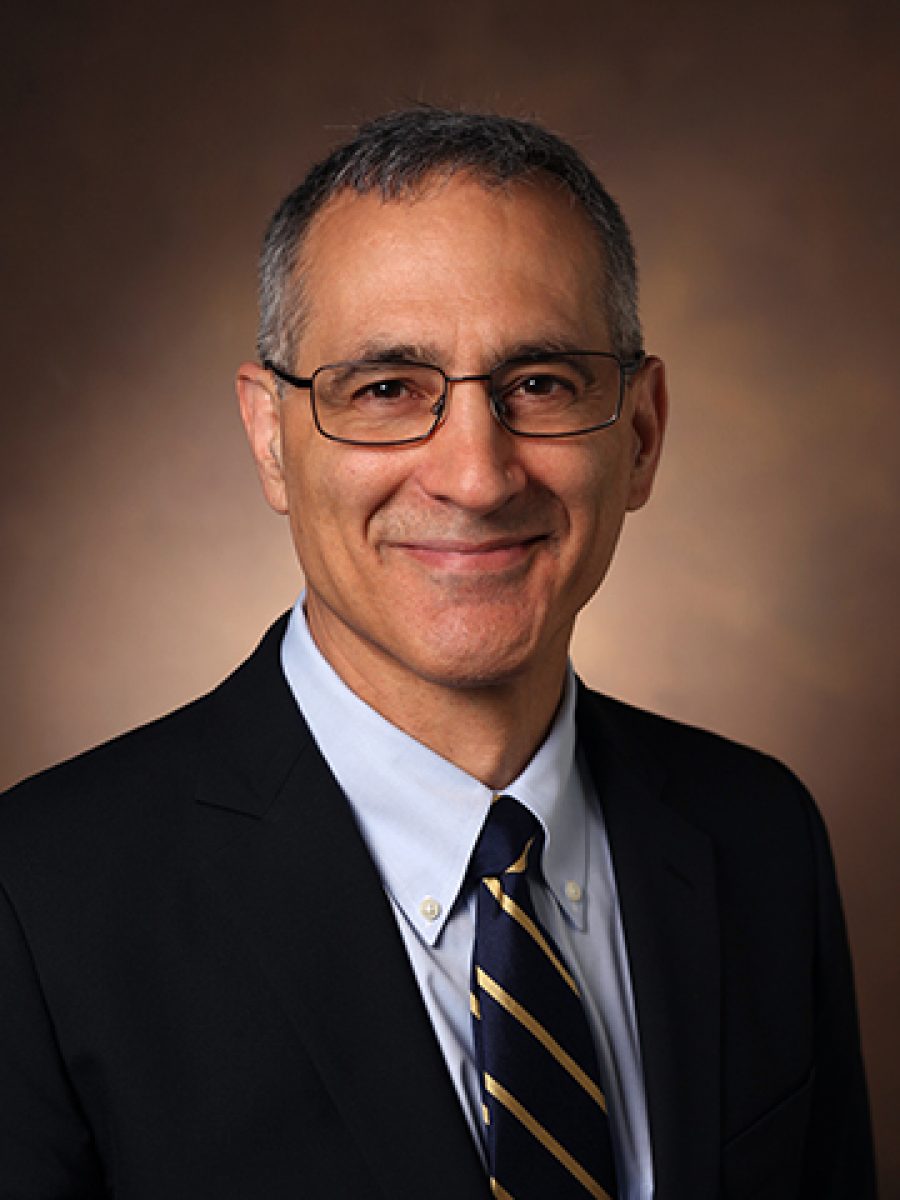
Matthew Bacchetta
Associate Chair and Professor, Department of Thoracic Surgery
-
Eric Barth
Associate Professor of Mechanical Engineering
-

Franz Baudenbacher
Associate Professor of Biomedical Engineering
Associate Professor of Physics -

Audrey Bowden
Associate Dean of Research
Professor of Biomedical Engineering
Professor of Electrical and Computer Engineering -

Brett C. Byram
Associate Professor of Biomedical Engineering
-

Catie Chang
Assistant Professor of Computer Science
Assistant Professor of Electrical and Computer Engineering
Assistant Professor of Biomedical Engineering -
Christos Constantinidis
Professor of Biomedical Engineering
Professor of Neuroscience
Professor of Ophthalmology & Visual Sciences -

Benoit Dawant
Professor of Electrical Engineering
Cornelius Vanderbilt Professor of Engineering
Professor of Biomedical Engineering
Professor of Radiology and Radiological Sciences
Co-Founder, Vanderbilt Institute for Surgery and Engineering (VISE) -

Mark D. Does
Professor of Biomedical Engineering
Professor of Radiology and Radiological Sciences
Professor of Electrical Engineering -

Xiaoguang Dong
Assistant Professor of Mechanical Engineering
-

Yayun Du
Assistant Professor of Electrical and Computer Engineering
-

Craig L. Duvall
Cornelius Vanderbilt Professor of Engineering
Professor of Biomedical Engineering -

Dario J. Englot
Associate Professor of Neurological Surgery
Associate Professor of Biomedical Engineering
Associate Professor of Radiology and Radiological Sciences
Associate Professor of Electrical Engineering
Surgical Director of Epilepsy -

Daniel France
Research Professor of Anesthesiology
Research Professor of Biomedical Engineering -

Daniel Gonzales
Assistant Professor of Biomedical Engineering
-

Jon S. Heiselman
Research Assistant Professor of Biomedical Engineering
Director, Vanderbilt Master of Engineering in Surgery and Intervention Program -

Yuankai Huo
Assistant Professor of Computer Science and Computer Engineering
-

E. Duco Jansen
Professor of Biomedical Engineering
Professor of Neurological Surgery -

Nicholas Kavoussi
Assistant Professor, Department of Urology, Division of Endourology and Stone Disease
-
Soheil Kolouri
Assistant Professor of Computer Science
-

Alan Kuntz
Assistant Professor of Electrical and Computer Engineering
Assistant Professor of Computer Science -

Bennett A. Landman
Professor of Electrical and Computer Engineering
Professor of Computer Science
Professor of Biomedical Engineering
Professor of Radiology and Radiological Sciences
Professor of Psychiatry and Behavioral Sciences
Professor of Biomedical Informatics
Director, VALIANT
Stevenson Chair of Engineering
University Distinguished Professor -
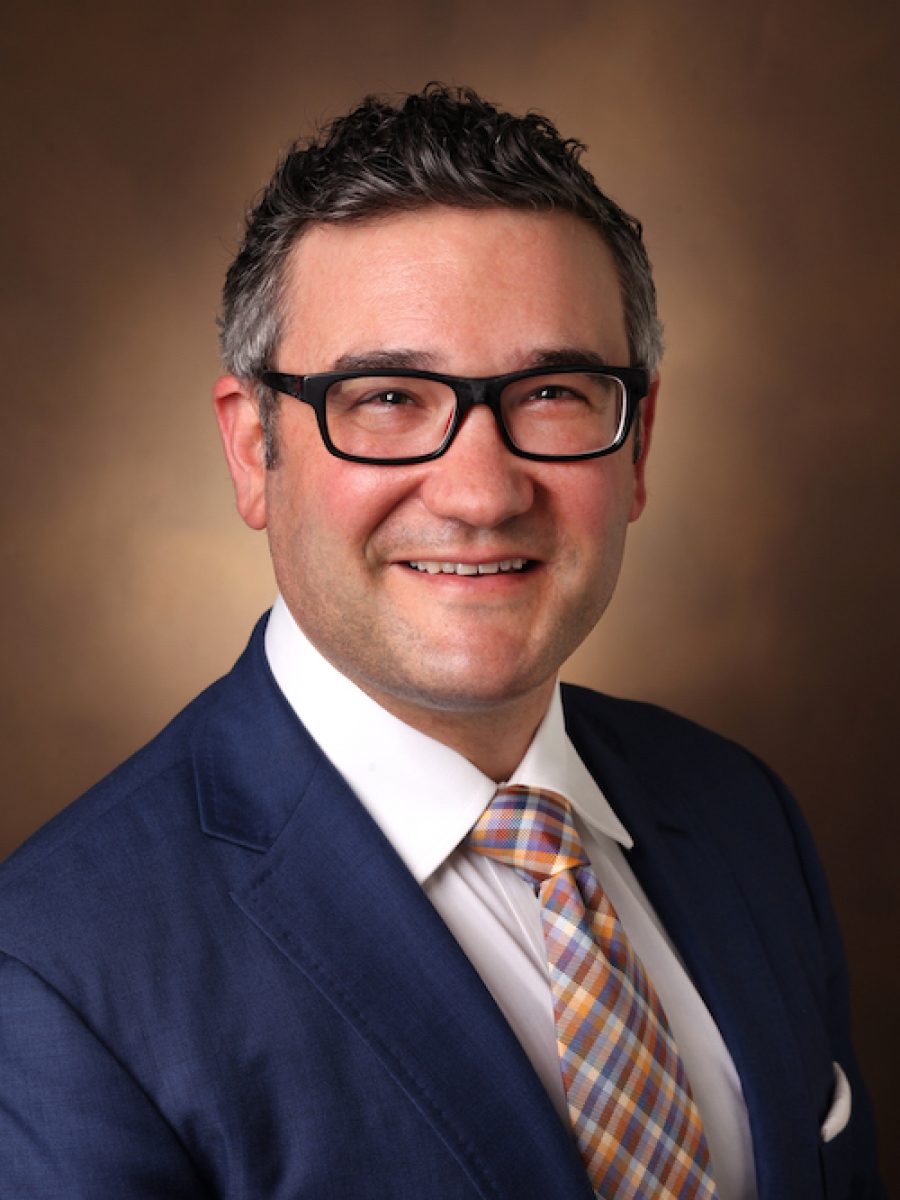
Alexander J. Langerman
Associate Professor, Department of Otolaryngology, Head & Neck Surgery
Director, Surgical Ethics Program
Course Director, Foundations of Clinical Care Ethics Curriculum -
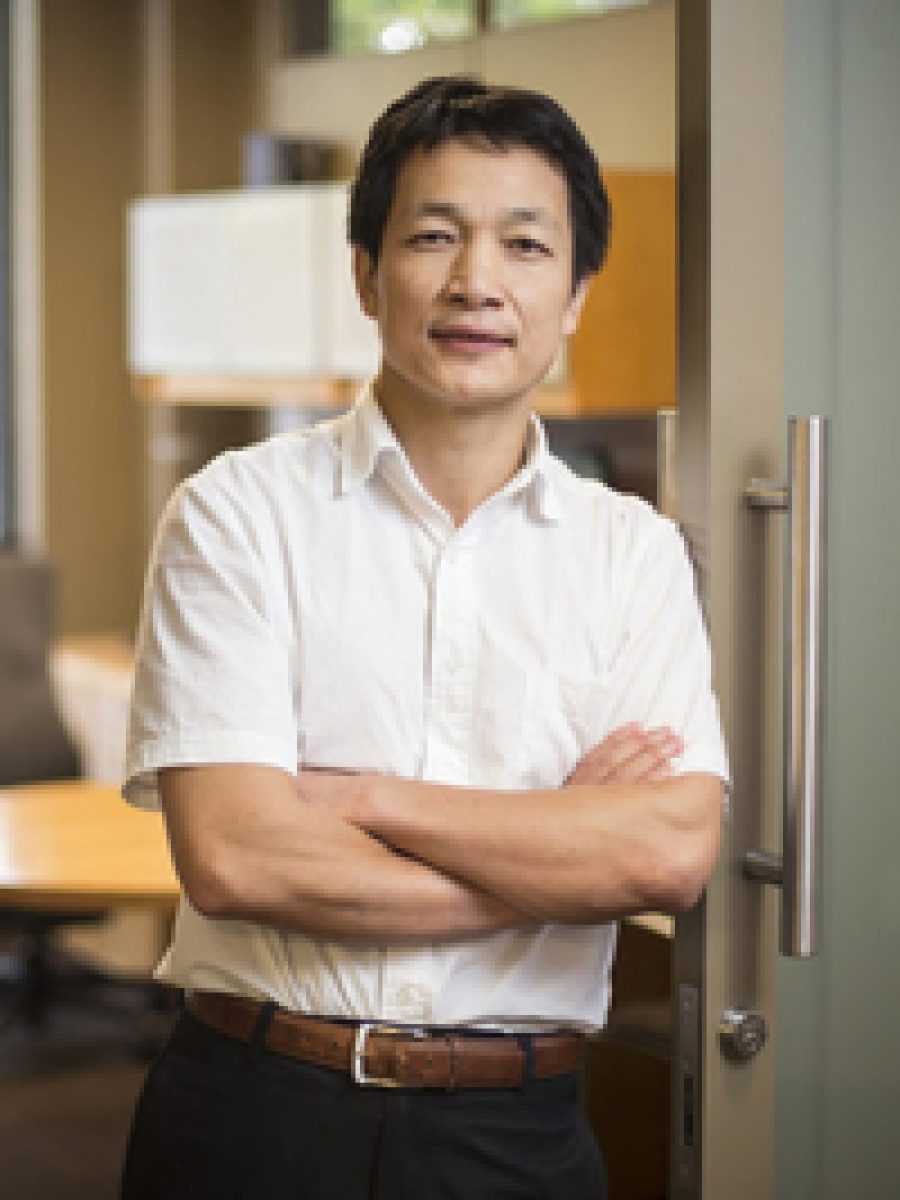
Haoxiang Luo
Professor of Mechanical Engineering
Chair of Mechanical Engineering
Professor of Otolaryngology, Head & Neck Surgery -

Anita Mahadevan-Jansen
Professor of Biomedical Engineering
Orrin H. Ingram Professor of Engineering
Professor of Neurological Surgery
Professor of Otolaryngology, Head & Neck Surgery
Director, Vanderbilt Biophotonics Center -

Michael I. Miga
Harvie Branscomb Professor
Chair, Department of Biomedical Engineering
Director, Vanderbilt Institute for Surgery and Engineering
Professor of Biomedical Engineering
Professor of Computer Science
Professor of Radiology and Radiological Sciences
Professor of Neurological Surgery
Professor of Otolaryngology -

Victoria L. Morgan
Professor of Radiology and Radiological Sciences
Professor of Biomedical Engineering
Professor of Neurology
Professor of Neurological Surgery -

Daniel Moyer
Assistant Professor of Computer Science
-

Jack Noble
Assistant Professor of Electrical Engineering, Computer Science, and Computer Engineering
-
Keith Obstein
Associate Professor of Medicine
-

Ipek Oguz
Assistant Professor of Computer Science and Computer Engineering
-

Galen Perdikis
Professor of Plastic Surgery
Patrick Maxwell M.D. Endowed Chair of Plastic Surgery -
Mikail Rubinov
Assistant Professor of Biomedical Engineering
Assistant Professor of Computer Science
Assistant Professor of Psychiatry
Assistant Professor of Psychology -

Kevin Sexton
Professor of Surgery and Biomedical Informatics
Helen and Nicholas Abumrad Directorship
Vice Chair for Innovation, VUMC Section of Surgical Sciences -

Nabil Simaan
Professor of Mechanical Engineering
Professor of Computer Science
Professor of Otolaryngology -

Yuankai (Kenny) Tao
Assistant Professor of Biomedical Engineering
-
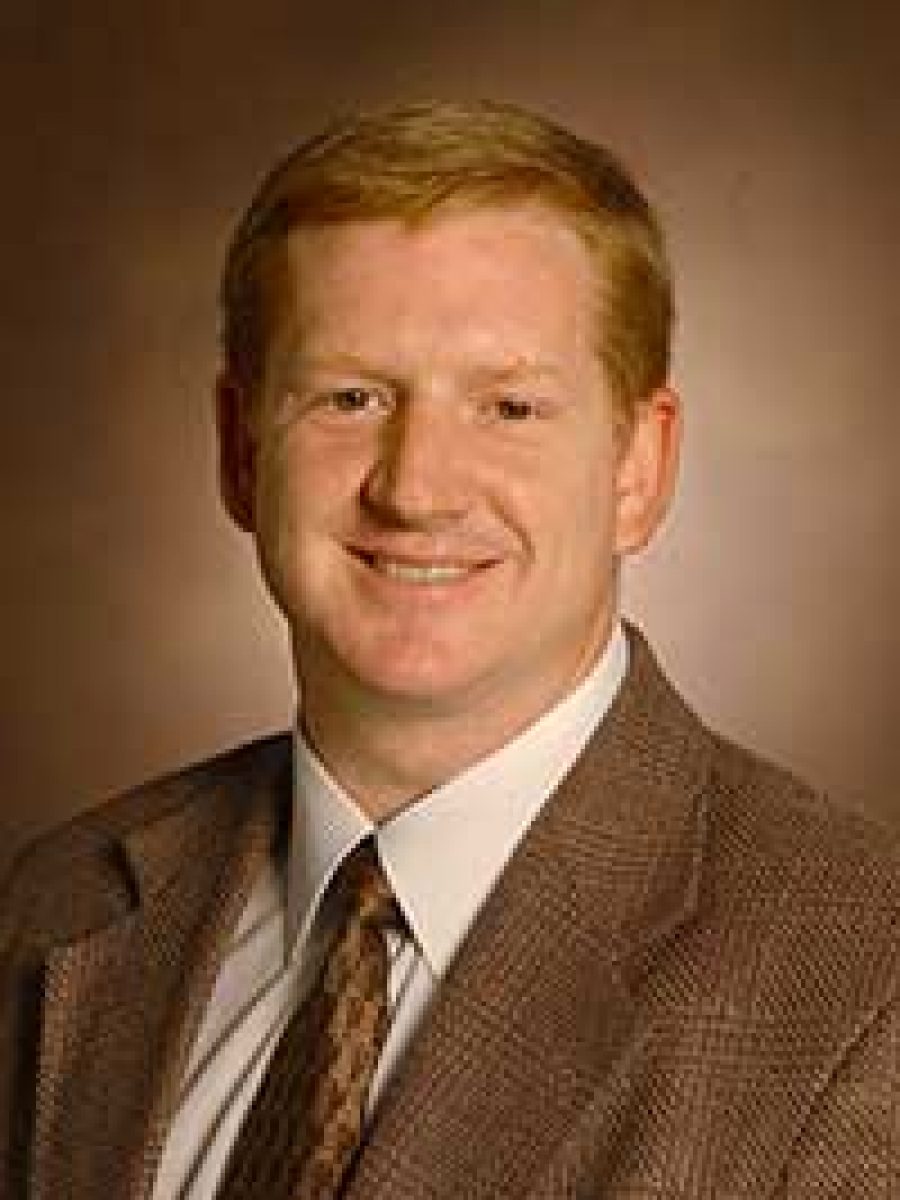
Wesley P. Thayer
Professor of Plastic Surgery
Professor of Biomedical Engineering
Professor of Orthopaedic Surgery
Vice Chair of Research, Vanderbilt University Medical Center -

Michael Topf
Assistant Professor of Otolaryngology-Head and Neck Surgery
-

Rei Ukita
Research Assistant Professor of Cardiac Surgery
Research Assistant Professor of Biomedical Engineering -

Robert J. Webster
Senior Associate Provost for Commercialization and Technology Transfer
Richard A. Schroeder Professor of Mechanical Engineering
Professor of Mechanical Engineering
Professor of Electrical Engineering
Professor of Otolaryngology
Professor of Neurological Surgery
Professor of Urologic Surgery
Professor of Medicine -

James Weimer
Assistant Professor of Computer Science
-
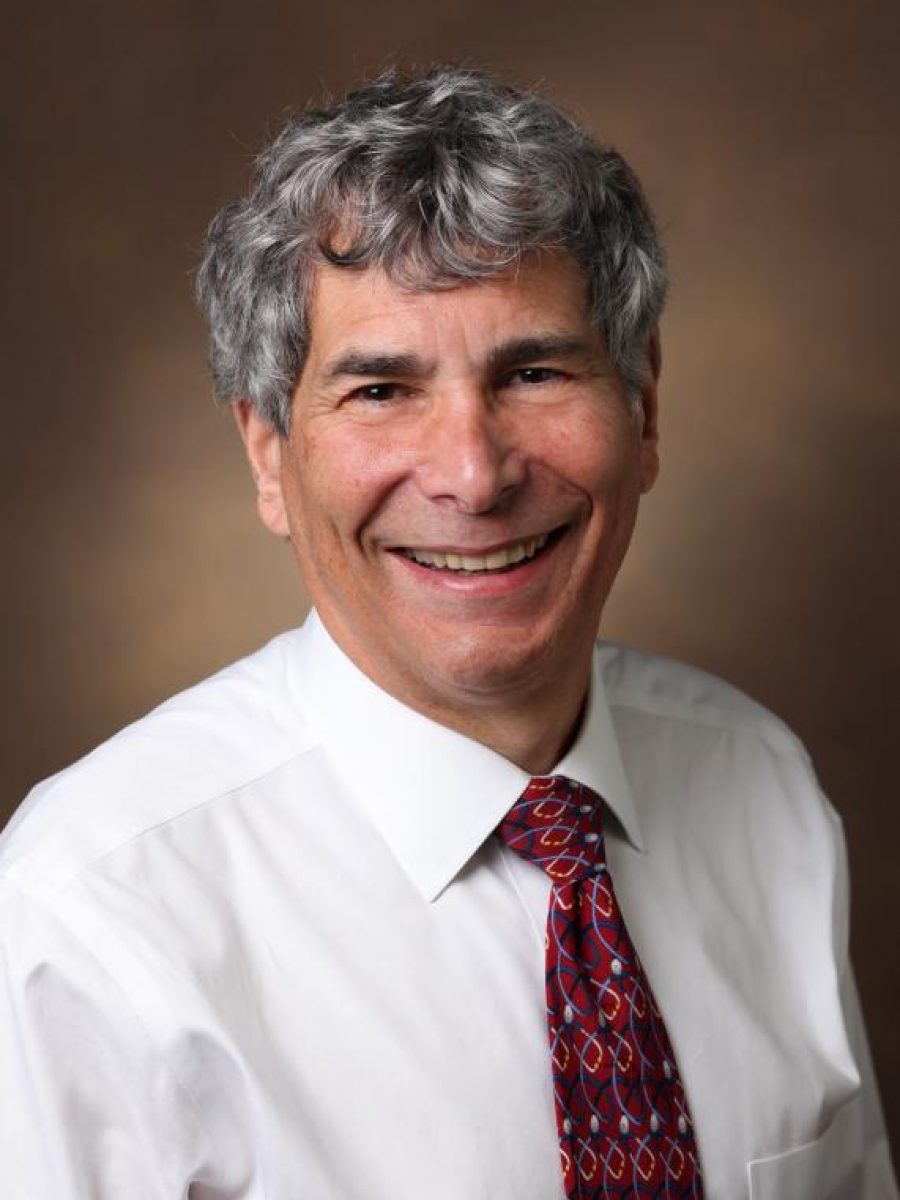
Matthew Weinger
Professor of Anesthesiology, Biomedical Informatics, and Medical Education
-

Jie Ying Wu
Assistant Professor of Computer Science
-

Junzhong Xu
Associate Professor of Radiology and Radiological Sciences
Associate Professor of Physics and Astronomy -

Maizie Zhou
Assistant Professor of Biomedical Engineering
Industry Educational Advisory Board
Our Master of Engineering in Surgery and Intervention program works closely with industry and our industry educational advisory board to ensure our graduates learn in-demand skills that will deliver real-world impact.
Stephen Aylward, PhDNVIDIA |
Steven Boronyak, PhDAtriCure |
Shikha Chaganti, PhDSiemens Healthineers |
Steve Chen, MBARoche |
Rachel Clipp, PhDKitware Inc |
Jarrod Collins, PhDInari Medical |
Josephine Granna, PhDStryker |
Rebekah Griesenauer, PhDDANNCE.ai |
Brandon HarrisonStaubli |
Steve Hartmann, PhDMedtronic |
Brandon Hoffman, MBANissha Medical Technologies |
Christopher Jarrett, PhD, MBASalesforce Inc., Healthcare and Life Science |
Petr Jordan, PhDOnc AI |
David Leong, PhDAnalogic |
Michael Mellor, MSAnalog Devices |
Srivatsan Pallavaram, PhDAbbott Neuromodulation |
Morgan Ringel, PhDJohnson & Johnson MedTech |
Jim Stefansic, PhD, MBAOmniBuds, Inc |
Jaime Tierney Stanton, PhDRIVANNA |
Elizabeth Vasconcellos, MSClearPoint Neuro |
Jay West, PhDTHINK Surgical, Inc |
Jing Zhao, PhDMedtronic |
Contact Information
For inquiries and more information, please contact:
Program Directors:
Jon Heiselman, Ph.D.
Research Assistant Professor of Biomedical Engineering
jon.s.heiselman@vanderbilt.edu
615-322-1936
Michael Miga, Ph.D.
Professor of Biomedical Engineering
mike.miga@vanderbilt.edu
615-875-8386
Program Manager:
Michelle Bukowski
michelle.bukowski@vanderbilt.edu